ON-DEVICE LLMS: RUNNING MODELS ON YOUR PHONE
A hands-on guide shows how to deploy and run a compact LLM directly on a smartphone, outlining preparation of a small model, on-device runtime setup, and practi...
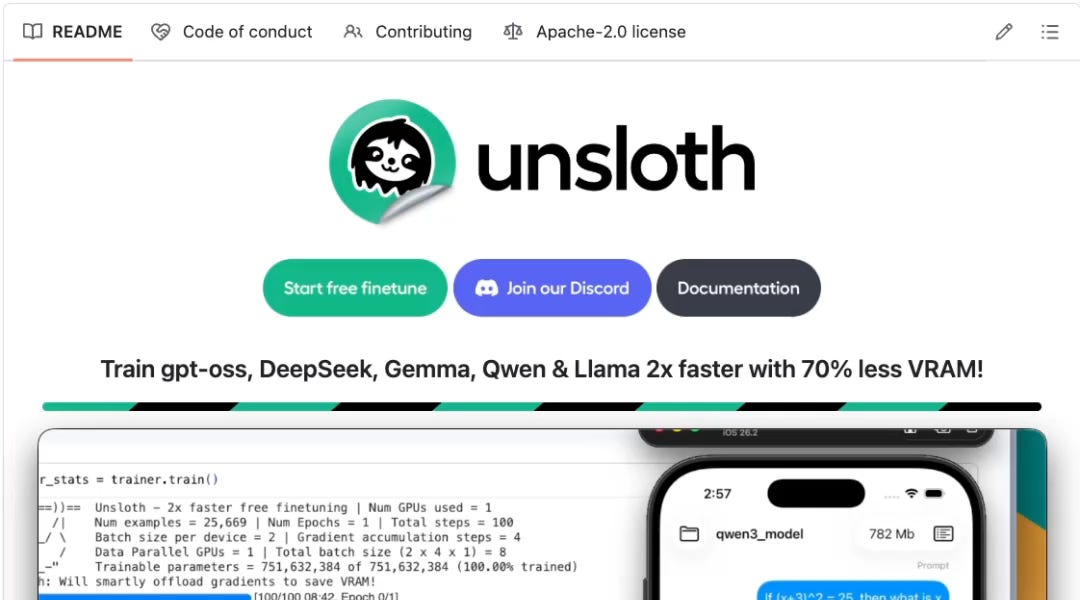
A hands-on guide shows how to deploy and run a compact LLM directly on a smartphone, outlining preparation of a small model, on-device runtime setup, and practical limits around memory, thermals, and latency. For backend/data teams, this validates edge inference for select tasks where low latency, privacy, or offline capability outweighs the accuracy gap of smaller models.
On-device inference can cut tail latency and cloud costs while improving privacy for sensitive prompts.
Edge+cloud split becomes a viable architecture: small local models for fast paths, server models for complex fallbacks.
-
terminal
Benchmark token throughput, latency, and battery/thermal behavior across 4-bit vs 8-bit quantization on target devices.
-
terminal
Validate functional parity and fallback logic between on-device and server models, including prompt compatibility and safety filters.
Legacy codebase integration strategies...
- 01.
Introduce an edge-inference feature flag and A/B test routing some requests to on-device models with telemetry for quality and SLA impact.
- 02.
Plan model distribution, versioning, and license compliance in your mobile release pipeline, and cache/purge strategies for weights.
Fresh architecture paradigms...
- 01.
Design a mixed edge/cloud architecture from day one with clear model selection rules, offline modes, and privacy-by-default data handling.
- 02.
Choose a mobile-friendly runtime and quantized model format early, and standardize benchmarks for device classes you support.